
2026-09-01
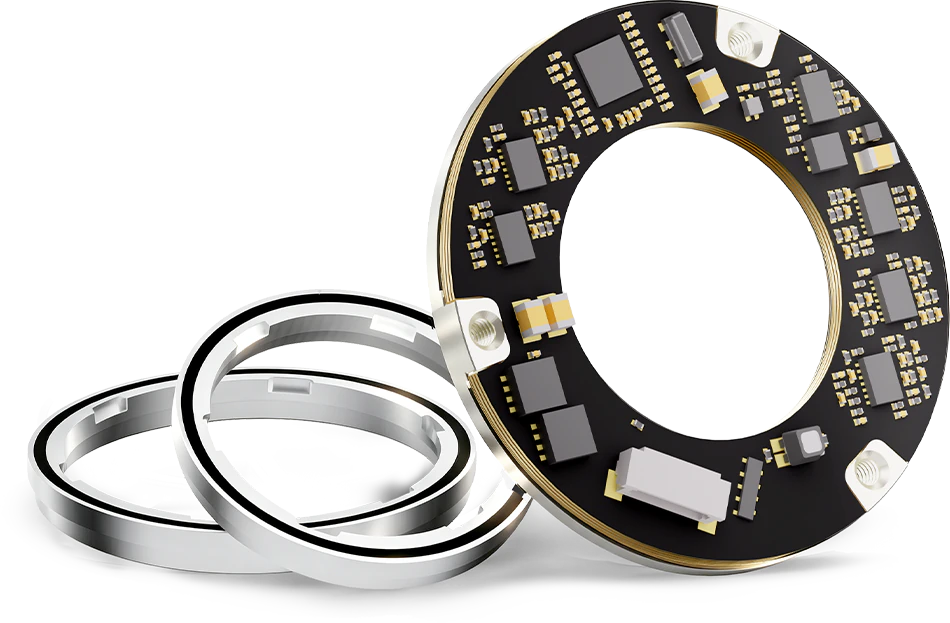
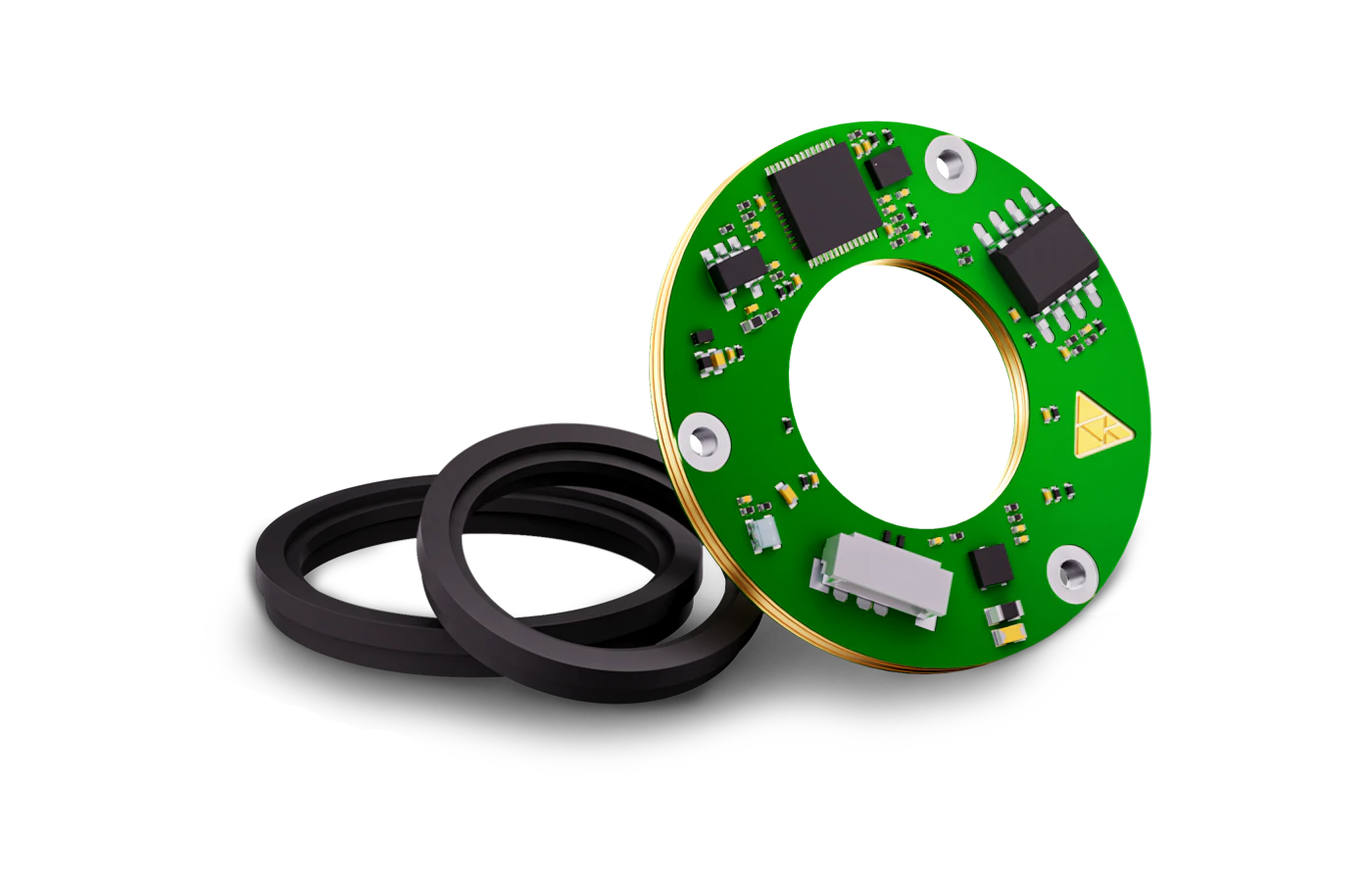
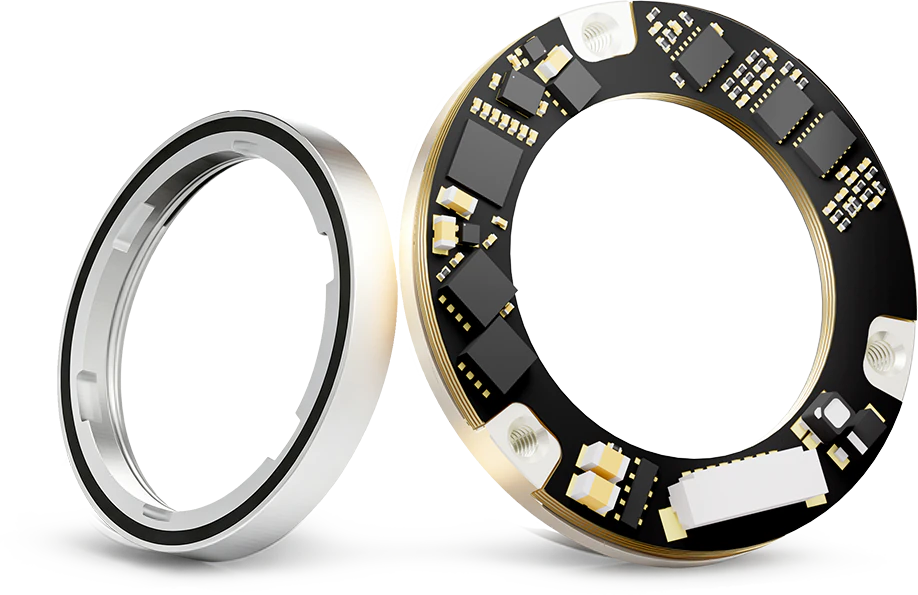
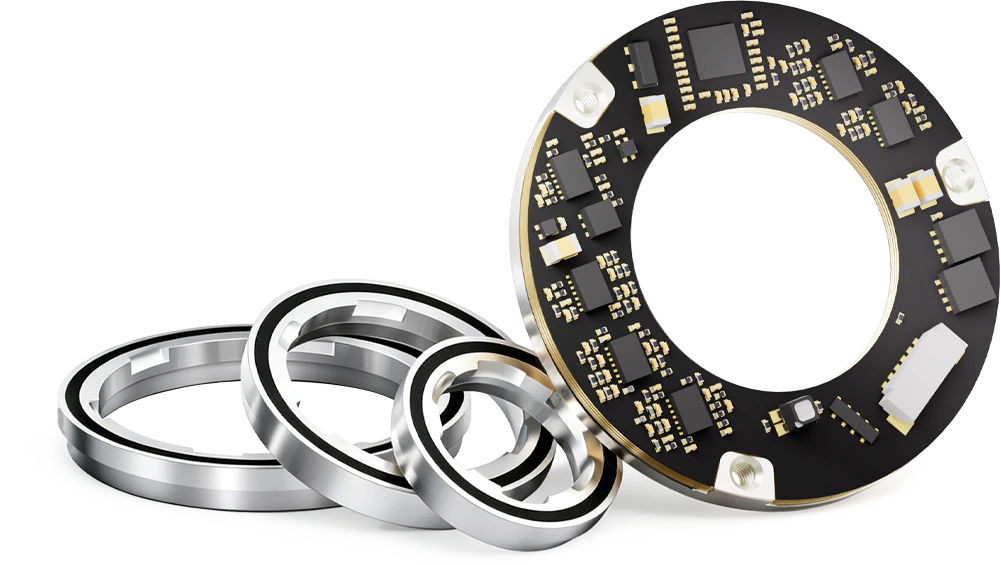
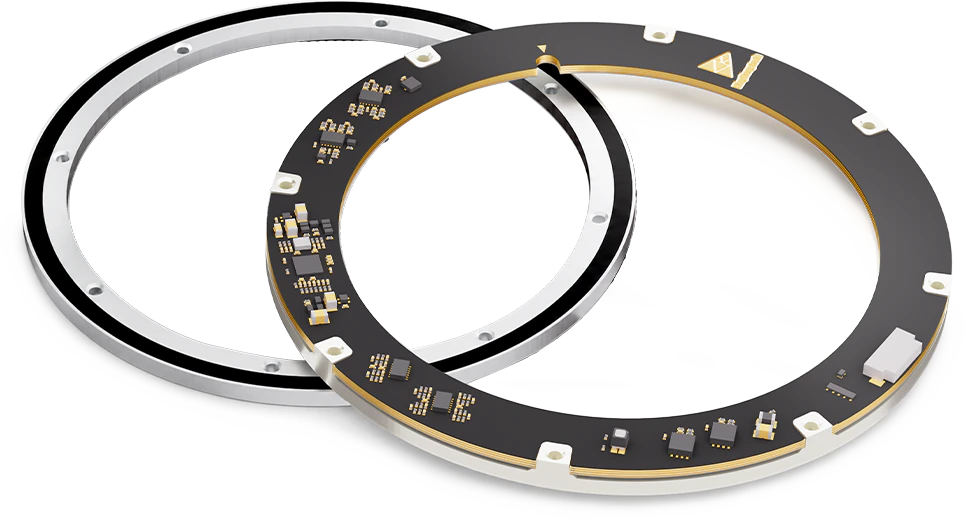
New Release: The DPB Series Robot Encoder, Built for the Next Generation of High-Burst Joints
What Is Changing in the Robotics Industry

As robots move into volume production, three things are changing across the robot body:
- Parts tolerate looser machining, and the demands placed on manufacturing capability keep coming down. That is what delivers the build cost needed to get robots out of the factory, and it also means structural precision requirements keep falling
- As physical AI iterates, robot motion performance is being unlocked by the rapid iteration of intelligence: a robot has to do more than walk. It has to run and it has to jump, and its body must be able to support all of that for the long haul from the day it is born
- Across all kinds of demanding conditions, a single body is expected to handle the drawing room and the kitchen alike. Requirements for generality keep rising, while cost keeps coming down
The New DPB Meets the Problem Head-On
KingKong has stayed at the front of that wave. We saw it coming first, and we built a complete solution for it:
- [High Tolerance] Exceptional tolerance to both part machining and running conditions. It keeps working normally with 1mm of mechanical axial play
- [Ultra-High Speed] Exceptional speed response. The 20000RPM demanded by large robot movements is still measured accurately within microseconds
- [Environmental Immunity][Outstanding Value] Highly complex working environments and excellent cost control, so that robots and robot dogs alike can carry a high-performance sensing nervous system
Ten Years of Innovation at the Principle Level
The optical, inductive and capacitive measurement principles used in conventional solutions all fall under excitation-based measurement. To take a reading, each of them must first dissipate energy, generating light, an electromagnetic field or an electric field, and the measurement is only complete once whatever energy survives the blocking and dissipation has been read back. Which means:
- Measurement energy is dissipated as waste heat (light heats directly, inductance heats much the way an induction cooker does.....), so it drains more battery
- The measurement path is long, out and back, so it cannot respond quickly (rather like speaking and then waiting for your own ears to catch the echo before the measurement is done), which makes lag and dropped counts more likely at high speed
The magnetic technology KingKong uses is known as a passive measurement principle. The code is magnetised onto the permanent magnet at the factory, so in the field the sensor simply reads it directly, with no energy to dissipate first, and a low-power magnetic sensor is enough to complete the measurement. Which means:
- No additional energy dissipation is required at all. Measurement is direct, so it saves more battery
- It reads the permanent magnet's field directly, so it is immune to interference and fast to respond (rather like the human eye: the sun supplies the light, and we simply look)
Combined with KingKong's patterned magnetic principle technology, this is what becomes achievable:
- High tolerance together with high speed
- High speed together with high accuracy
- High accuracy together with low power
All of it exists to meet performance targets that belong to robots alone. A technical revolution in magnetic principle is also an evolution in how robots sense.
See You in the Future
KingKong is putting everything it has into building the sensing nervous system for robots. We know this era's pain points well, and we intend to carry the era into its next stage, empowering everyone brave enough to be exploring embodied intelligence. You are all the best of it. Here is to the industry, and here is to us. Time will prove it out.
The DPB series encoder is now officially on sale. You can place an order on our website: https://kingkong.tech/en/encoder/DPB